首页 / 产品中心 / 单克隆抗体 /

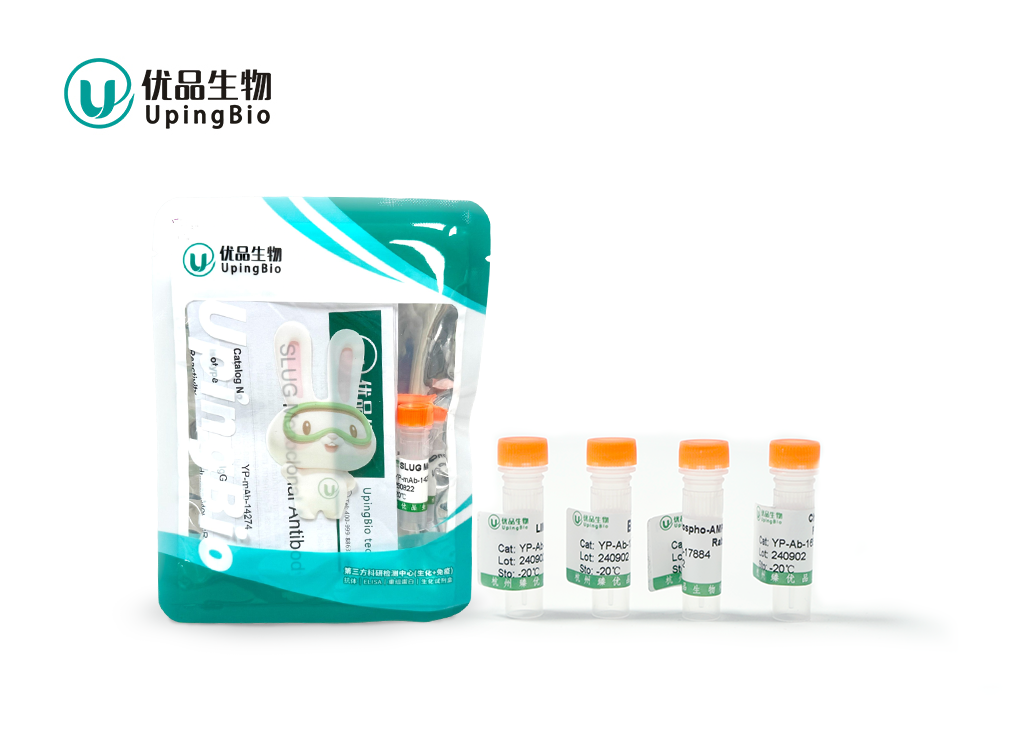
HSL (Phospho Ser853) Rabbit mAb

货号: YP-rAb-18360
促销价:

产品介绍

反应种属
Human,Mouse,Rat
应用范围
WB,IF,ELISA
抗体类型
单克隆抗体
基因名称(Gene Name)
LIPE
蛋白名称
Hormone-sensitive lipase
分子量(DA)
117kD
免疫原
特异性
HSL (Phospho Ser853)Antibody detects endogenous levels of HSL protein only when phosphorylated at S853.The name of modified sites may be influenced by many factors, such as species (the modified site was not originally found in human samples) and the change of protein sequence (the previous protein sequence is incomplete, and the protein sequence may be prolonged with the development of protein sequencing technology). When naming, we will use the "numbers" in historical reference to keep the sites consistent with the reports. The antibody binds to the following modification sequence (lowercase letters are modification sites):RRsVS
组成
PBS, 50% glycerol, 0.05% Proclin 300, 0.05%BSA
来源
Monoclonal, Rabbit,IgG
稀释比例
WB 1:2000-1:10000; IF 1:200-1:1000; ELISA 1:5000-1:20000;
纯化工艺
Protein A
浓度
1 mg/ml
储存
-15°C to -25°C/1 year(Do not lower than -25°C)
其他名称
LIPE ; Hormone-sensitive lipase ; HSL
背景
The protein encoded by this gene has a long and a short form, generated by use of alternative translational start codons. The long form is expressed in steroidogenic tissues such as testis, where it converts cholesteryl esters to free cholesterol for steroid hormone production. The short form is expressed in adipose tissue, among others, where it hydrolyzes stored triglycerides to free fatty acids. [provided by RefSeq, Jul 2008],
功能
Catalytic activity:Diacylglycerol + H(2)O = monoacylglycerol + a carboxylate.,Catalytic activity:Monoacylglycerol + H(2)O = glycerol + a carboxylate.,Catalytic activity:Triacylglycerol + H(2)O = diacylglycerol + a carboxylate.,enzyme regulation:Rapidly activated by cAMP-dependent phosphorylation under the influence of catecholamines. Dephosphorylation and inactivation are controlled by insulin.,Function:In adipose tissue and heart, it primarily hydrolyzes stored triglycerides to free fatty acids, while in steroidogenic tissues, it principally converts cholesteryl esters to free cholesterol for steroid hormone production.,pathway:Glycerolipid metabolism; triacylglycerol degradation.,similarity:Belongs to the 'GDXG' lipolytic enzyme family.,subcellular location:Found in the high-density caveolae. Translocates to the cytoplasm from the caveolae upon insulin stimulation.,subunit:Interacts with PTRF in the adipocyte cytoplasm.,

展开

产品详情

客户数据及评论 (0)

折叠内容

文献引用

折叠内容

实验方案

折叠内容
>